
Scuba Lessons
Choose your path, start learning, and build skills you’ll use on every dive.
Learning to scuba dive is one of those decisions that starts as curiosity and turns into a whole new way to travel, explore, and spend time with people you like. If you’re here, you’re probably asking a simple question with a bunch of hidden follow‑ups: What class do I take first? How long does it take? What do I need before I sign up?
This page is your map. We’ll help you understand the common training pathways and point you to the right next step—without making you dig through a dozen course pages first.
Explore
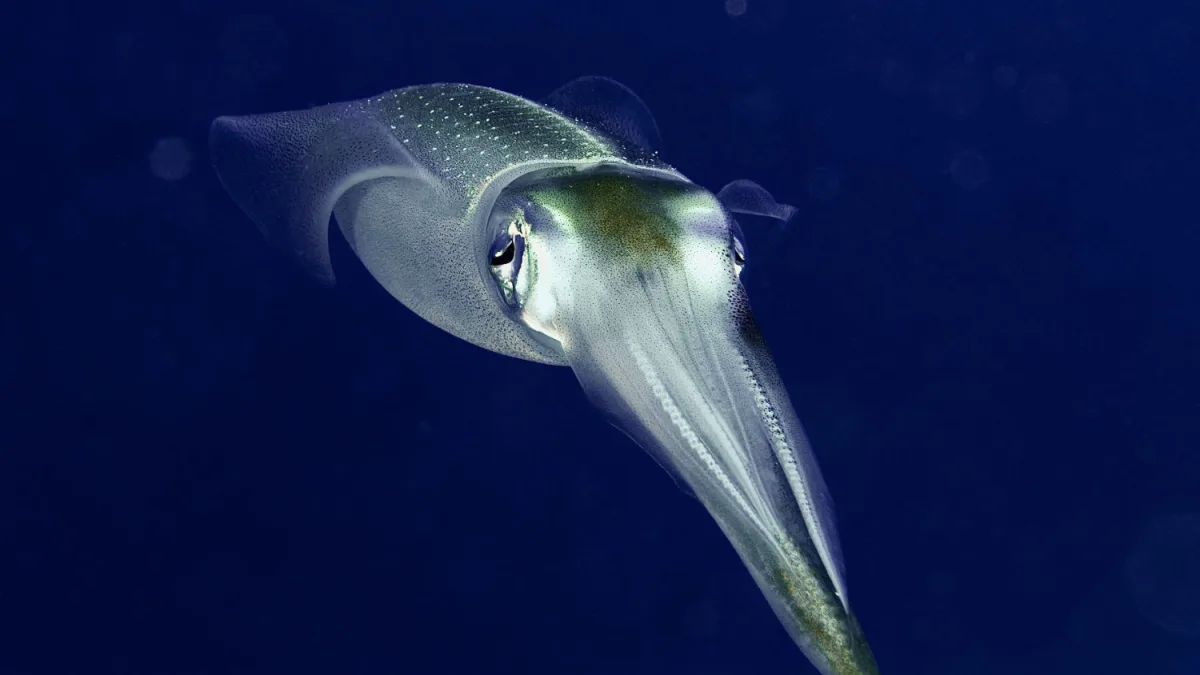
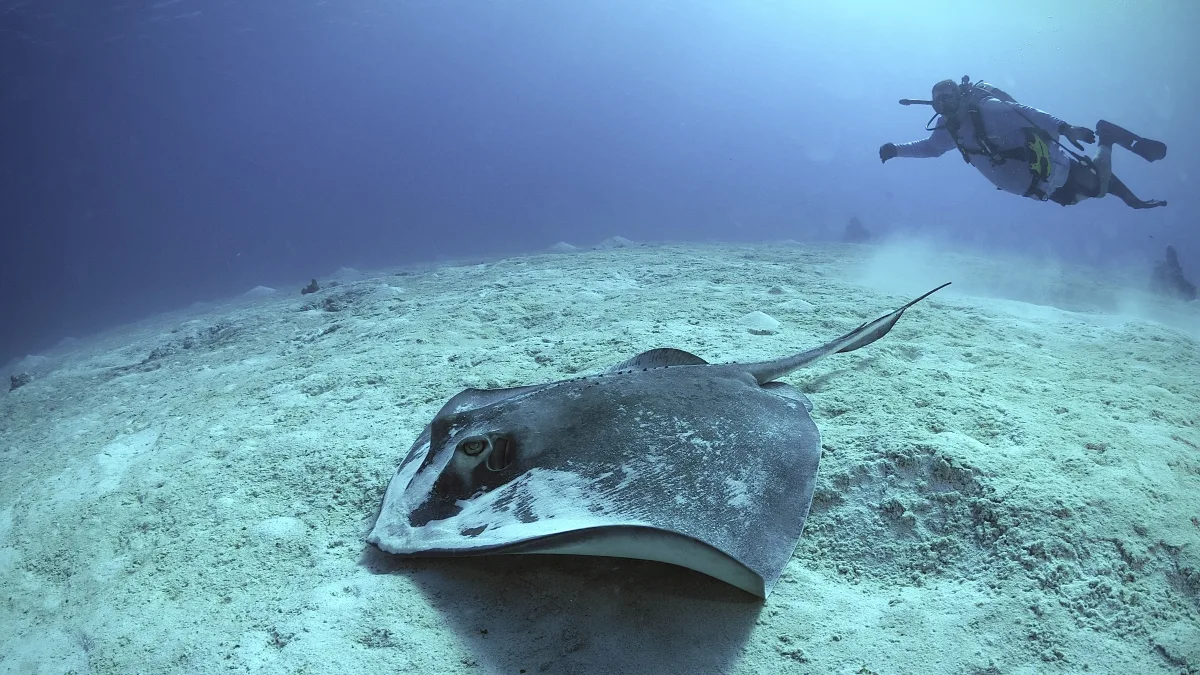
Find your best starting point
Start here: which class should you take first?
If you’re brand new to scuba, you’ll typically start with an entry‑level certification course (often called “Open Water Diver” in the industry). That’s the course designed to take you from “I’ve never breathed underwater” to “I’m certified and ready to plan dives within my training.”
If you’re already certified but it’s been a while, you may be looking for a refresher before you jump back in. And if you’re actively diving now, you might be ready for the next step—more confidence, more comfort, and new types of diving through continuing education.
Not sure where you fit? Here’s a quick way to decide:
- I’ve never been certified → Start with an entry-level certification.
- I’m certified, but rusty → Consider a refresher/skills update.
- I’m certified and want to do more → Look at advanced and specialty training.
- I want to help others learn → Explore leadership-level training.
(Each class has its own prerequisites—those are listed on the individual course pages.)
Scuba training pathways (and why they matter)
Scuba education isn’t just a single class—it’s a progression. The right progression depends on your goals: vacations a couple times a year, local diving, underwater photography, wrecks, buoyancy mastery, or eventually mentoring newer divers.
Here’s the big-picture way to think about it:
1) Entry-level certification
This is your foundation. You’ll learn the core concepts, the practical skills, and the habits that make every dive smoother—like planning your dive, communicating underwater, and moving efficiently in the water.
If your goal is to be able to join guided dives on a trip—or simply have the freedom to keep learning—this is where it starts.
2) Continuing education
Once you’re certified, you can keep stacking skills in a way that matches what you actually want to do in the water. Many divers choose continuing education because it’s fun and immediately useful: better control, better awareness, and a bigger comfort zone.
Continuing education is also a great fit if you prefer learning in smaller steps over time, or if you want to focus on specific kinds of diving.
3) Specialty training
Specialties let you zoom in on particular interests. Think of them as targeted skill builders: choose what excites you, and build competence in that lane.
If you already know what kind of dives you love—or what kind of dive trips you’re dreaming about—specialty training is how you prepare for them.
4) Leadership track
Some divers reach a point where they want to go further: more responsibility, more structure, and the ability to support and guide other divers. Leadership-level courses are a different commitment, and they’re incredibly rewarding if you love the learning process and want to be more involved in the dive community.
What you’ll find on each course page
To keep this “Scuba Lessons” page clear and useful, we put the course-specific details where they belong—on the individual course pages. When you click into a class, you should expect to find the information you need to make a final decision, including:
- What the course covers and who it’s for
- Prerequisites (for example: prior certifications, minimum skills, or other requirements)
- What’s included and what you’ll need
- How to register
If you have a question that isn’t answered there, reach out. We’d rather help you choose the right class than push you into the wrong one.
Check the calendar and pick a date
Once you know which class you want, the next step is simple: find a session that fits your schedule.
Visit our Class Calendar to see upcoming course dates and options.
Not sure what to choose? Talk to us.
Choosing a scuba class should feel exciting—not confusing.
If you tell us:
- whether you’re brand new or already certified,
- what kind of diving you want to do (travel, local, a specific interest), and
- your rough timeline,
we can point you to the best starting place and the best next step.
Ready to begin? Head to the course pages or contact us and we’ll help you map out your path.